
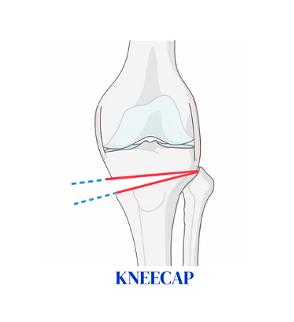
Standardizing Care and Building Evidence for Knee Osteotomy Surgery
Knee osteoarthritis (KOA) affects over 500 million people worldwide, with cases projected to rise 75% by 2050. Many patients, especially younger ones with post-traumatic or early-onset KOA, aren't good candidates for joint replacement, whose limited lifespan makes it unsuitable for long-term use in younger patients. Knee osteotomy offers a joint-preserving alternative: it realigns the leg to shift load away from the damaged part of the knee, reducing pain and slowing KOA progression. Despite this, only about 3% of eligible patients undergo the procedure, largely due to its technical complexity.
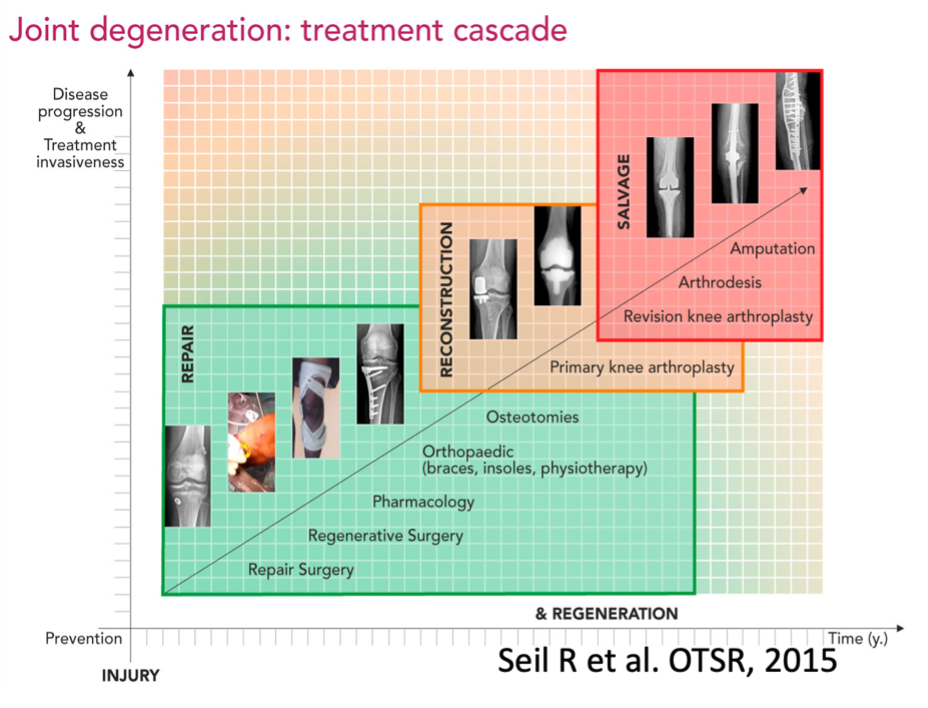
This 2-year recherche clinique hospitalière project funded by the Ministère de la Santé et de la Sécurité sociale and led by the CHL Department of Orthopaedic Surgery in collaboration with LIROMS aims to:
- Standardize a clinical pathway for knee osteotomy patients, including advanced pre- and post-operative assessments.
- Build a study-oriented database to track outcomes over the long term and improve patient-specific surgical and care planning.
The expected hypothesis: A standardized follow-up protocol combined with a structured database will improve surgical precision and care planning, leading to better functional outcomes and longer-lasting results.
Secondary hypotheses:
- Motion analysis can inform dynamic knee alignment assessment, supporting surgical planning and outcome prediction.
- Knee osteotomy improves gait function (spatiotemporal parameters, plantar pressure, knee kinematics).
- Patient satisfaction and expectations aren't necessarily linked to clinical or functional outcomes.